
Bathrooms That Handle Moisture Without Failing
Bathroom Remodeling in Casper for spaces with aging tub surrounds, cracked tile, and outdated fixtures
Grout that stays damp and discolored, caulk pulling away from tub edges, and shower pans that flex underfoot indicate moisture infiltration that will eventually rot framing and subfloors. CBG Construction replaces deteriorating tub and shower systems with properly waterproofed enclosures, installs tile over cement board or waterproof membrane systems, upgrades vanities with solid construction, and modifies layouts to improve accessibility when needed. Bathroom work in Casper often reveals subfloor damage or inadequate ventilation that gets corrected during the renovation.
Bathroom remodels begin with demolition that exposes framing, plumbing, and subfloor conditions, allowing for repairs before new systems go in. Shower pan installations require proper slope to the drain and waterproof barriers that extend up walls beyond the height of spray, and tile work depends on flat, solid backing that won't telegraph movement through grout lines. Vanity installations happen after flooring and plumbing rough-in are complete, and fixture mounting requires blocking in walls to support grab bars or heavy mirrors.
Schedule a property evaluation to assess your current bathroom's structural condition and identify necessary waterproofing upgrades.
What You Notice Once Bathroom Work Is Finished
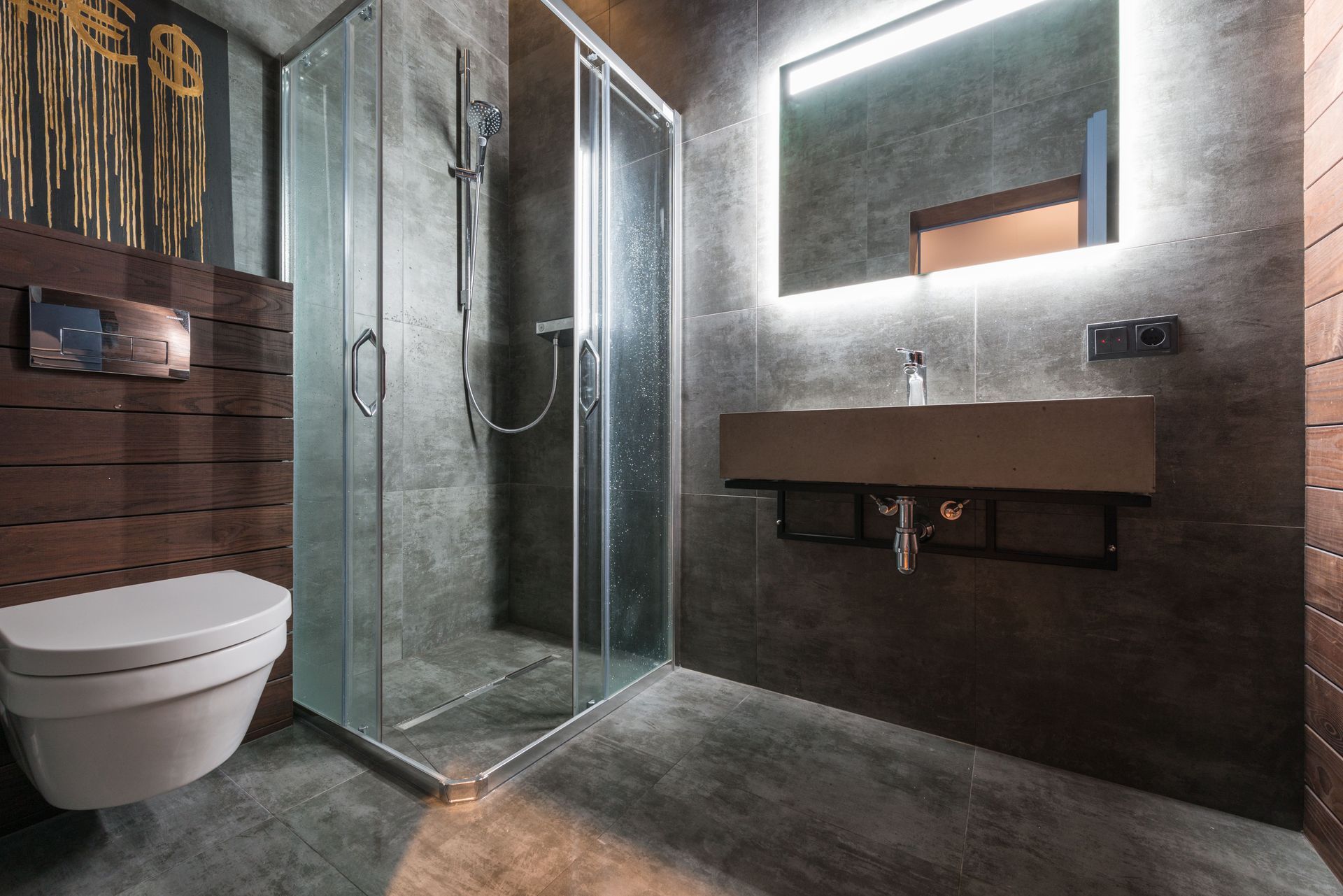
Completed bathroom renovations eliminate soft spots in flooring, install exhaust fans with adequate CFM ratings to clear steam during showers, and provide tile surfaces with consistent grout lines that shed water instead of absorbing it. Shower valves get positioned at comfortable heights, and fixtures mount securely to blocking rather than drywall alone. Accessibility modifications can include curbless showers with linear drains, grab bars anchored into studs, and wider doorways that accommodate mobility aids.
After installation, shower enclosures remain dry outside the pan area, vanity drawers operate without binding, and mirrors mount flush to walls without gaps. Floors stay warm underfoot if radiant heating was added during the subfloor rebuild, and lighting positioned near mirrors eliminates shadows without creating glare. Ventilation removes humidity quickly enough that mirrors clear within minutes after a shower ends.
Tile selection affects slip resistance and maintenance requirements—textured floor tile provides better traction when wet than polished stone, and larger format tiles reduce grout line maintenance compared to small mosaics. Vanity construction quality varies widely, with solid wood face frames and plywood sides outlasting particleboard boxes that swell when exposed to humidity. Fixture finishes should match across faucets, showerheads, and accessories to maintain a cohesive appearance.
Common Questions About This Service
Bathroom projects involve waterproofing, ventilation, and fixture choices that affect both durability and daily use.
What's involved in replacing a shower or tub?
Replacement includes removing the old unit and any damaged subfloor or framing, installing a new pan or tub with proper waterproofing, applying cement board or waterproof membrane to walls, and tiling or installing surrounds that seal against moisture intrusion.
How do you handle ventilation in bathrooms without exterior walls?
Ventilation ducts route through attics or floor joists to exterior terminations, and fan sizing depends on bathroom square footage—most building codes in Wyoming require at least 50 CFM for bathrooms under 100 square feet.
When should I consider accessibility modifications during a remodel?
If mobility challenges are current or anticipated, curbless showers, reinforced grab bar blocking, comfort-height toilets, and lever-style faucet handles can be integrated during construction without requiring future tearout.
Why do some tile installations fail while others last decades?
Tile longevity depends on substrate preparation, waterproofing layer quality, thinset coverage under tiles, and grout sealing—installations over drywall or with insufficient thinset coverage crack as substrates flex or absorb moisture.
What determines whether flooring should extend under the vanity?
Installing flooring under vanities simplifies future remodels and prevents height mismatches if vanity size changes, but in bathrooms with known moisture issues, stopping flooring at vanity edges allows easier subfloor inspection and repair later.
CBG Construction addresses underlying moisture damage, installs waterproofing systems that meet current standards, and sequences tile, fixture, and finish work to prevent callbacks. Reach out to discuss specific fixture preferences or accessibility needs for your bathroom renovation.